↘
Loading experience...
Loading experience...
From automating operations to shaping UK AI legislation, every engagement is built around your specific context, not a generic framework.
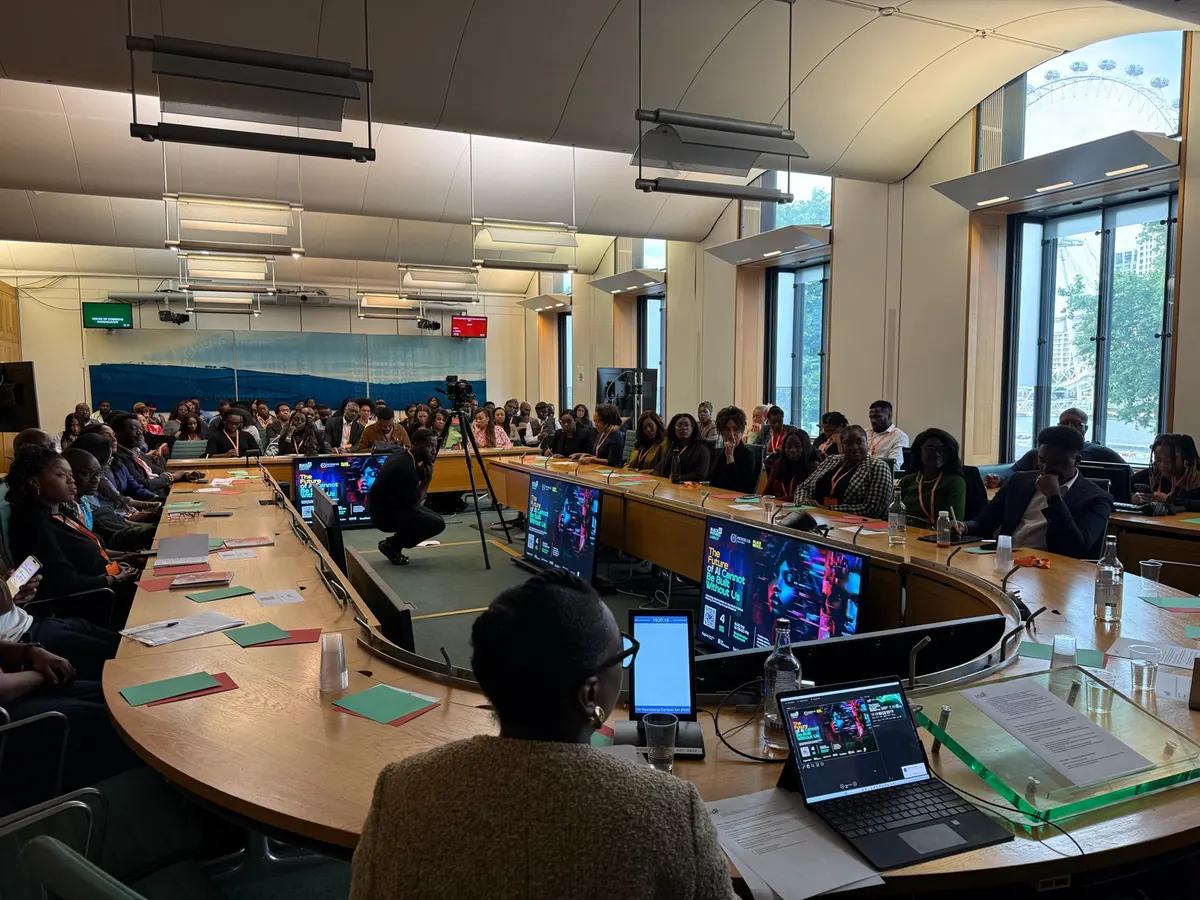
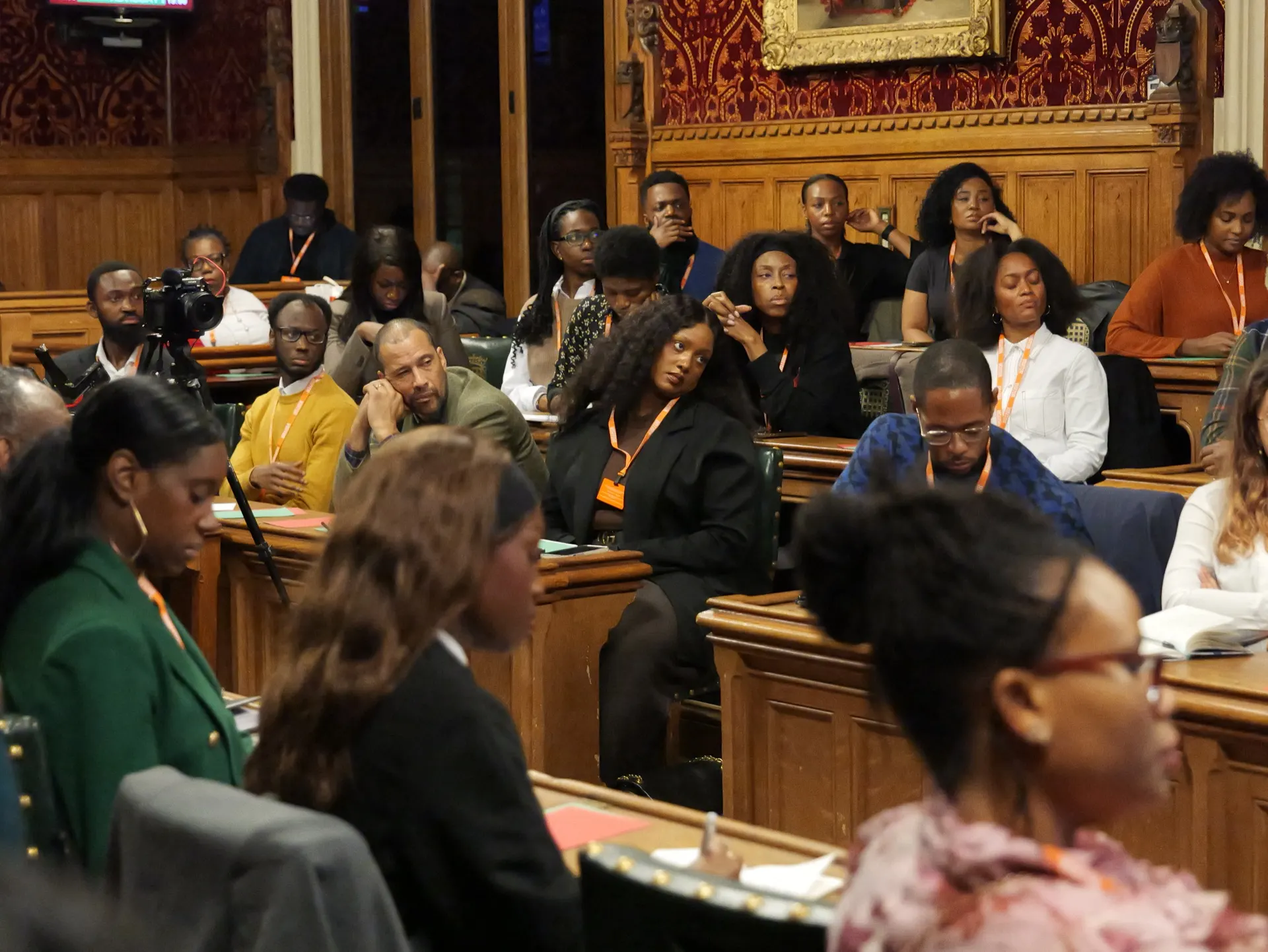
Black and Global Majority communities were systematically excluded from AI policy conversations, both the opportunities being created and the decisions being made. AI systems were perpetuating harm through biased algorithms in hiring, credit scoring, criminal justice, and healthcare.
Since launching Black AI Futures in June 2025 with a parliamentary event hosted by Dawn Butler MP and Bell Ribeiro-Addy MP, we've built formal partnerships with two All-Party Parliamentary Groups on AI, consulted with 500+ community members, and established a 70+ member working group of practitioners and experts.
A South London supplementary education provider was running roughly 220 students, 150 parent accounts and 35 staff across more than fourteen disconnected platforms. Enrolment, attendance, invoicing, chasing unpaid fees and reporting were all manual and all lived in different places. Fees went uncollected simply because nobody had time to chase them, and growth was capped by admin capacity rather than demand.
We designed and built a single operational platform to replace the lot. Three role-based portals for admin staff, tutors and parents sit on top of one central database. Invoicing runs through Xero with card payments taken automatically, and an automated chase sequence follows every unpaid invoice on a fixed cadence without anyone remembering to send it. Attendance is marked online with an exceptions queue for admin, communications go out by email and WhatsApp, and four live dashboards cover people, classes, attendance and finance. Assessments, reporting and stock tracking were folded into the same system.
An educational SME faced inefficiencies in managing customer and event data, with repetitive manual workflows causing delays and errors. Despite using multiple technology platforms, their operations were disjointed and software costs were escalating.
Developed a custom CRM tailored to the client's needs, integrated automation tools to streamline workflows and event management, and migrated their operations to a more cost-effective tech stack. These changes centralised data, reduced software redundancies, and improved backend operations.

A loss-making grocery wholesaler sought strategic guidance to address unprofitable operations and improve profitability.
Conducted a cost-to-serve analysis using Alteryx and Power BI to identify cost drivers across the supply chain. Uncovered unprofitable product lines and inefficiencies in delivery schedules. Delivered a strategic roadmap prioritising efficient supply chain practices and optimised product ranges.

A mid-sized professional services firm struggled with inefficiencies in client onboarding, fragmented workflows, and high churn rates due to inconsistent follow-ups.
Redesigned onboarding processes by centralising client data, automating task allocation, and introducing real-time progress tracking. Enhanced collaboration by implementing a unified platform for task management and communication.
We work with government, enterprise, and community organisations. Every engagement starts with understanding your specific context, not applying a generic framework.